Lot 160
Auction date
01-07-2026 11:00 CET
Finalized
Starting price: 2.000 €
SOLD BY: 2.200 €
LATE ANTIQUE ISSUES
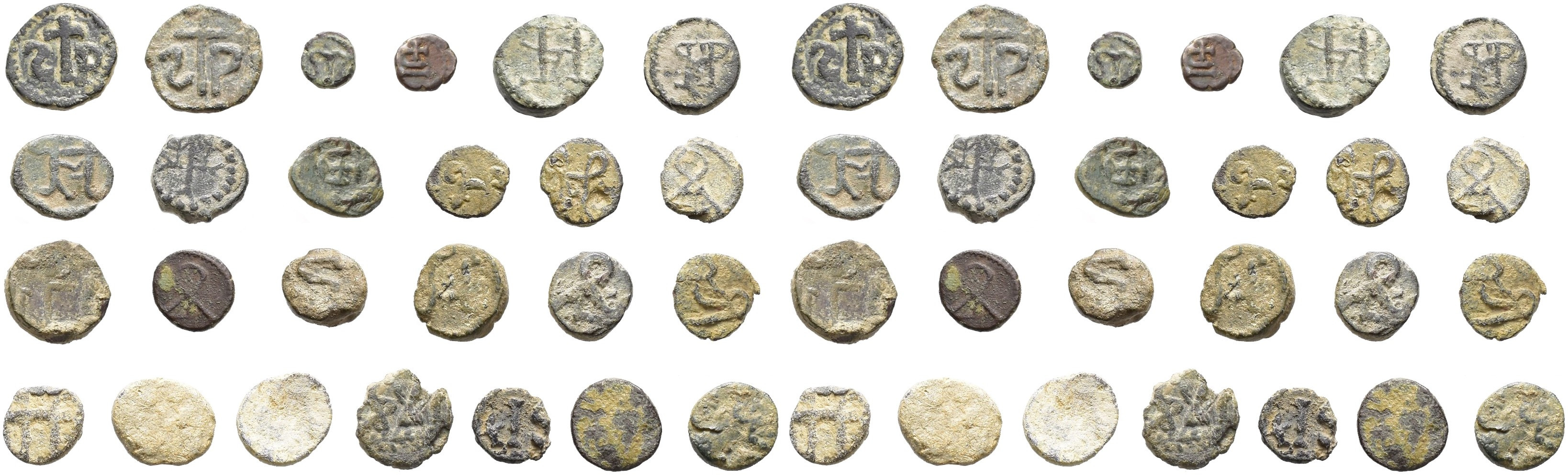
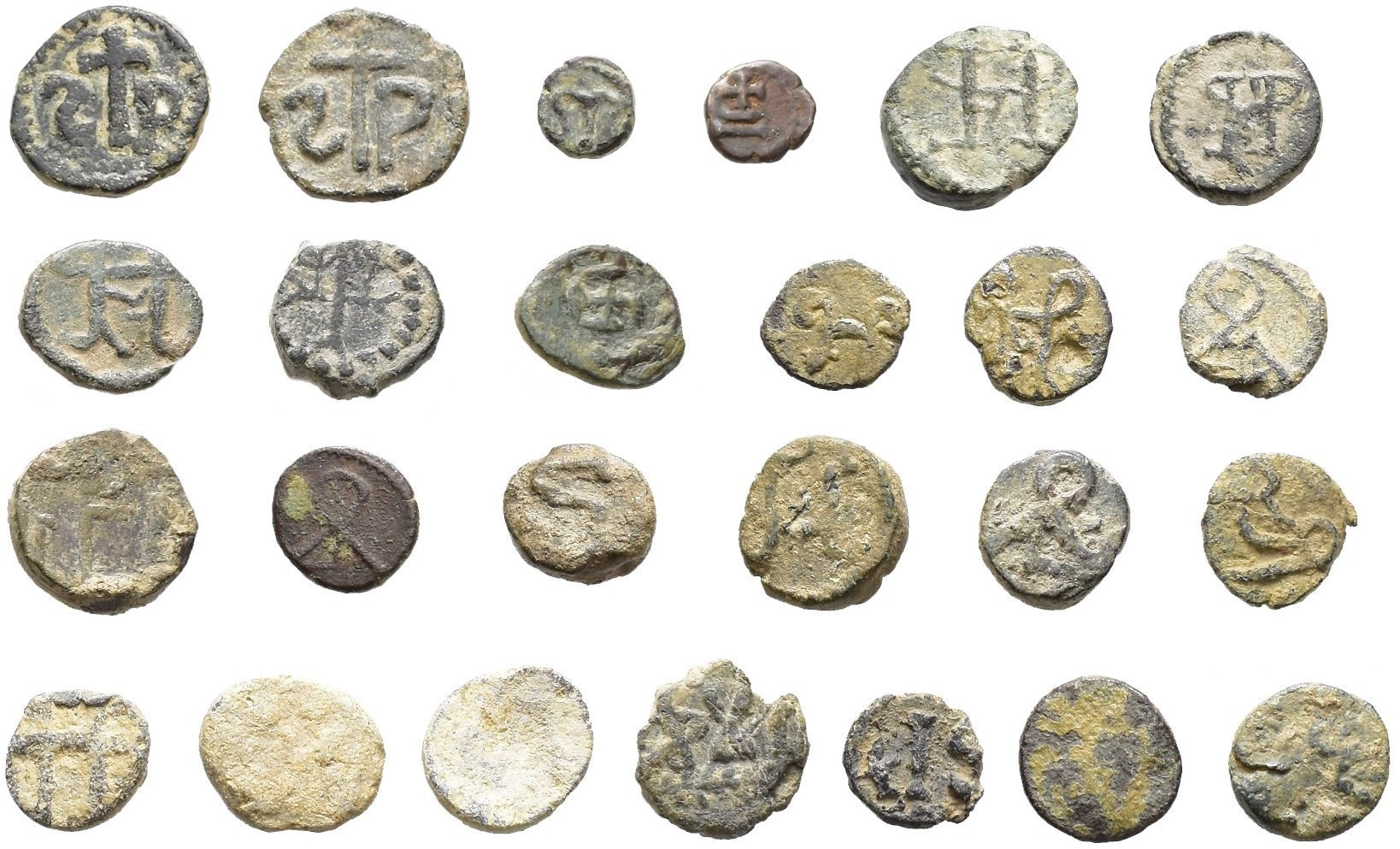
LATE ANTIQUE ISSUES. Lot of 101 nummi or minimi. From G to VF-.
Categories
NumismáticaThe generic terms nummi or minimi are used for a group of small bronze or copper coins that circulated in the Iberian Peninsula in late antiquity. Because of their diminutive size, in some cases not exceeding 9 mm, these pieces had gone almost entirely unnoticed by archaeologists and numismatists until a few decades ago, when the use of metal detectors brought a large number of them to light. Most of the examples known to date display simple types, as one would expect on such small flans: crosses, isolated letters, monograms and unidentified heads or busts can be recognized. When these small coins first began to be published, in the 1980s and 1990s, the vast majority of the specimens lacked archaeological context. The turning point in their study was undoubtedly M. Crusafont's monograph “El sistema monetario visigodo: cobre y oro” (Barcelona, 1994), in which he argued that they were Visigothic copper coins. On the basis of typological studies and the distribution of finds, he identified several groups: those bearing the letters S-P would have been issued at Ispali (Seville); those known as type M would correspond to Emerita; and those with a bust were attributed to the royal capital, Toletum. He also did not rule out other possible mints such as Corduba. Several examples of all these types are preserved in the collection now offered at auction. In recent decades, much greater attention has been paid to this type of coinage, and the picture of monetary circulation in the late Roman period, especially in the southern Peninsula, appears to have been far more complex than was believed a few decades ago. Finds of Vandal, Ostrogothic and Byzantine coins, imitations and related material are increasingly frequent. The distribution of finds of these coins seems to coincide with highly active urban commercial environments. It is therefore not impossible that city elites of Hispano-Roman origin, or ecclesiastical authorities, may have been responsible for minor issues intended for small-scale local exchange. Likewise, it is very possible that the Byzantines, who occupied an important part of the south-east of the Peninsula, struck not only gold in this area, as seems proven, but also small bronzes. In any case, in the present state of our knowledge, it remains highly problematic to fit these coins of such low value into the Visigothic monetary system. From a monetary point of view, it is difficult to understand a system based solely on gold and copper. If we bear in mind that a Visigothic tremissis would have been equivalent to approximately 2,400 nummi, the disproportion among the known specimens is enormous. Although some silver coins attributed to the Visigoths have been published in recent years, suggesting a highly hypothetical trimetallic system, their number likewise does not fit what should be a pyramidal proportion: very little gold coinage, more silver coinage, and a much larger quantity of copper or bronze coinage for everyday transactions. Chronologically, the minting date proposed by Crusafont for these coins is also inconsistent, since they appear mainly in the southern Peninsula at a time when this region was precisely under Byzantine control. Nor should it be forgotten that the Byzantines referred to this territory as Spania, so the letters S P appearing on many of these nummi could well refer to this Byzantine area rather than to Ispalis.
Recomended lots
Confirm your maximum bid
You are bidding for €
At the time of auction we will contact you by phone:
Confirm your maximum bid
You are bidding for
€
Loading…
Conecting with the server
Are you sure you want to buy the lot?
Confirm your maximum bid
You are bidding for
€